


Symptom Management in Primary Biliary Cholangitis (PBC)
A large proportion of patients with PBC struggle with symptom control, including pruritus (itching) and fatigue, particularly after 1st line therapy. Pruritus affects nearly 81% and fatigue nearly 80% of patients. Insufficient assessment for symptoms remains a barrier to effective and personalized care.1-4
Pruritus is a common, debilitating effect seen at all stages of PBC, that can cause significant impairment in QoL.5

Presents with diurnal rhythm, with greater intensity in early hours of the night5

Most commonly affects limbs, particularly palms and soles of feet5

Intense scratching can cause secondary skin lesions like chronic skin picking and infections or folliculitis5

In a survey of 238 patients with PBC, 28.6% of patients reporting pruritus never received treatment.6,a

The itching can be severe, as patients described the itch as a sensation of “bugs crawling” and a “deep itch.”6
- The itching was “relentless” at times, and patients wanted to tear their skin off or scratch until they bled.6,a
In a longitudinal observational cohort study consisting of 211 patients with PBC in the US, 81% of patients reported pruritus. Of those, 30% reported clinically significant pruritus and scored worse across each domain of the PBC-40b and 5-D itchc (validated tools used to assess pruritis), more frequently had cirrhosis, and had significantly higher levels of fatigue.1
Pruritus was reported to cause significant disability in 4 key areas in the lives of patients1:
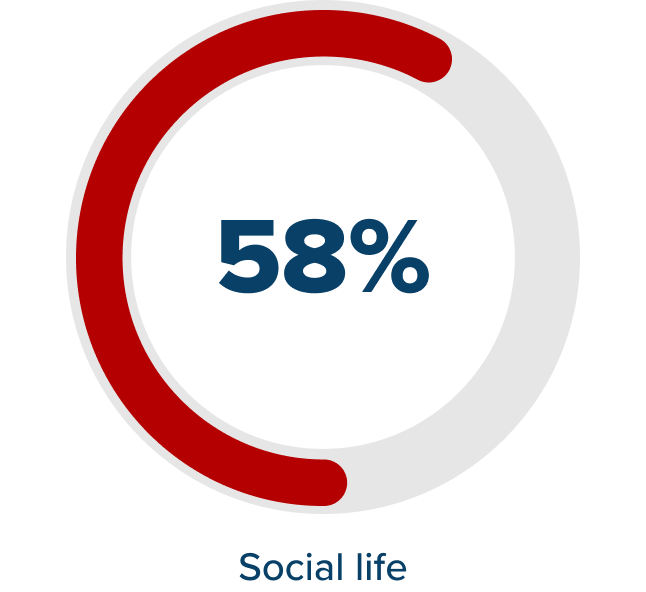
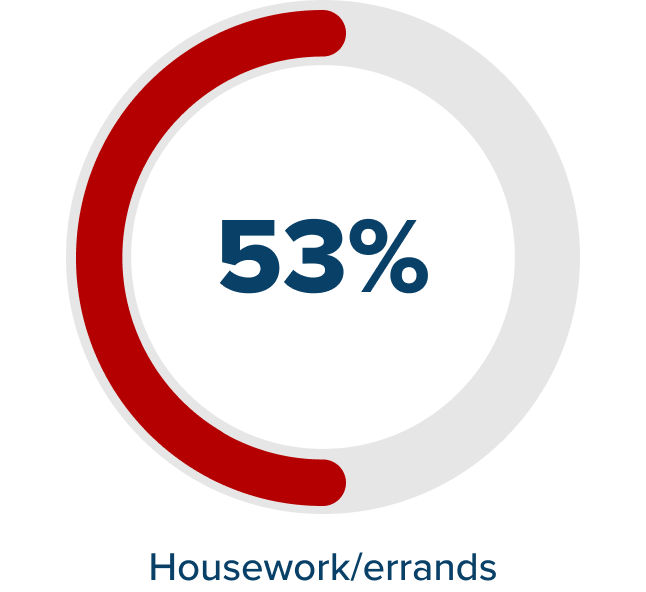
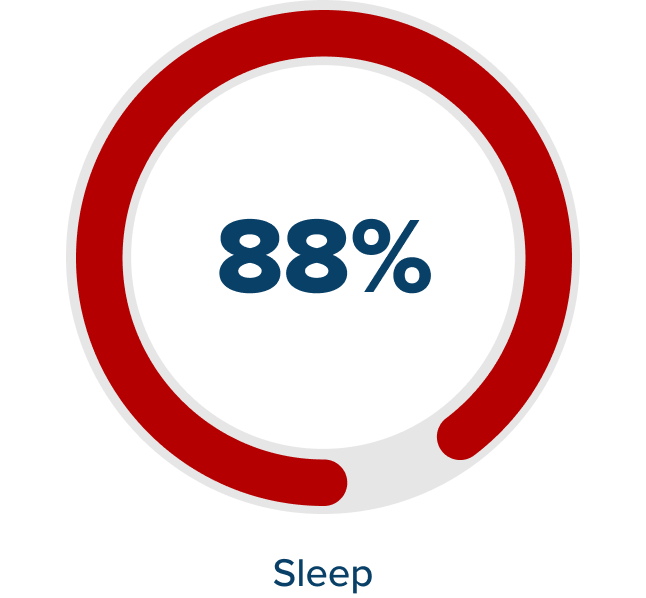
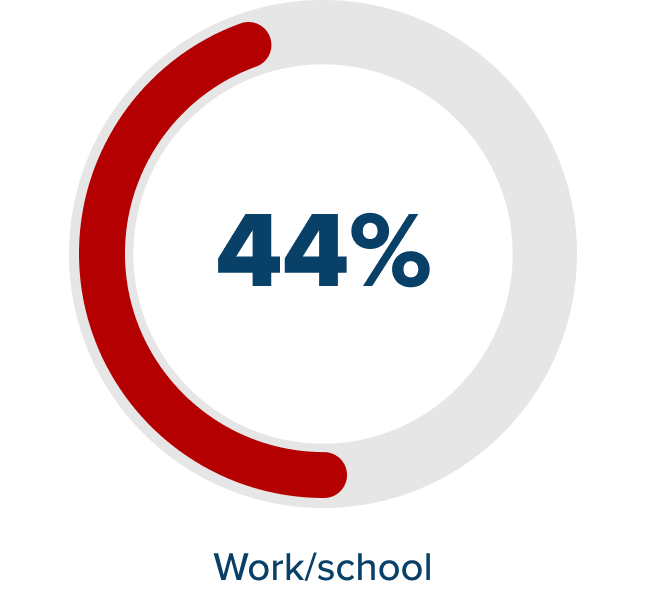
Fatigue includes an overwhelming sense of tiredness, lack of energy, and a feeling of exhaustion and is commonly experienced by patients with PBC.1 The underlying pathophysiology of fatigue in PBC is complex, involving both central and peripheral components, and is multifactorial, as there are many conditions and therapies that may cause or worsen existing fatigue.3,7
Fatigue severity has been found to be unrelated to disease severity8,d
Fatigue did not improve following liver transplant in most patients7

There are currently no FDA-approved treatments for PBC-related fatigue8

20%
of patients experience severe fatigue that significantly impairs quality of life8,e
Extrahepatic Manifestations of PBC
Extrahepatic manifestations are common and can be seen in up to 95% of patients with PBC, representing a large additional burden for patients9-11
Sjögren’s syndrome (SS)
Due to the autoimmune epithelitis, SS is thought to be one of the MOST common extrahepatic manifestations, affecting between 4%-73% of patients.9
Metabolic bone disease
- Increased incidence of osteoporosis (14%-52%) and osteopenia (30%-50%), leading to a risk of bone fractures.11
- Risk factors for osteoporosis in PBC include severe cholestasis and advanced histological stage, but patients with less advanced disease can also be affected.11
- AASLD guidelines recommend patients with PBC should be provided 1000 mg–1500 mg of calcium and 1000 IU of vitamin D daily. Baseline and regular screening every 2 years using bone mineral density testing is appropriate.3
Fat‑soluble vitamin malabsorption
- Absorption of vitamins A, D, E, and K is impaired due to decreased bile acid secretion, with deficiency levels ranging between 2%-34%.11,12
- AASLD guidelines recommend that fat-soluble vitamin deficiencies be treated with parenteral of water-soluble supplements.3
Systemic lupus erythematosus
Less recognized as a manifestation, but prevalence is generally <2% and ranges between 0% and 4%.9
Thyroid disease
- Present in 6%-24% of patients, with Hashimoto’s thyroiditis being the most common thyroid disorder in PBC.9
- AASLD guidelines recommend that thyroid status should be monitored annually.3
Hypercholesterolemia
- Occurs in 75%-95% of patients, as cholestasis affects lipid metabolism and may clinically manifest as xanthoma, xanthelasma, and high cholesterol levels.2,10
- AASLD guidelines recommend that patients with elevated lipid levels and at risk for cardiovascular disease be considered for lipid-lowering therapy.3
Rheumatoid arthritis
Less recognized as a manifestation, but prevalence rate is between 2% and 6%.9
AASLD, American Association for the Study of Liver Diseases; FDA, US Food and Drug Administration; QoL, quality of life.
aBased on an online survey in which 164 of 238 participants reported descriptions on the sensation of itch. And of those, 47 (28.6%) participants reported that they had not received treatment.6
bThe PBC-40 is a patient-derived, disease-specific QoL measure, consisting of 40 questions distributed across 6 domains, developed for use in patients with PBC.1
cThe 5-D itch scale is a brief questionnaire consisting of 5 dimensions (degree, duration, direction, disability, and distribution) to assess itching.1
dWith the exception of end-stage liver disease.8
eBased on a literature review.8
References:
- Mayo MJ, Carey E, Smith HT, et al. TARGET-PBC Investigators. Impact of pruritus on quality of life and current treatment patterns in patients with primary biliary cholangitis. Dig Dis Sci. 2023;68(3):995-1005. doi:10.1007/s10620-022-07581-x
- Onofrio FQ, Hirschfield GM, Gulamhusein AF. A practical review of primary biliary cholangitis for the gastroenterologist. Gastroenterol Hepatol (NY). 2019;15(3):145-154.
- Lindor KD, Bowlus CL, Boyer J, Levy C, Mayo M. Primary Biliary Cholangitis: 2018 Practice Guidance from the American Association for the Study of Liver Diseases. Hepatology. 2019;69(1):394-419. doi:10.1002/hep.30145
- Faisal A. Understanding fatigue and pruritus in primary biliary cholangitis. Clin Liver Dis (Hoboken). 2024;23(1):e0216. doi:10.1097/CLD.0000000000000216
- Düll MM, Kremer AE. Evaluation and management of pruritus in primary biliary cholangitis. Clin Liver Dis. 2022;26(4):727-745. doi:10.1016/j.cld.2022.06.009
- Rishe E, Azarm A, Bergasa NV. Itch in primary biliary cirrhosis: a patients' perspective. Acta Derm Venereol. 2008;88(1):34-37. doi:10.2340/00015555-0350
- Jopson L, Jones DE. Fatigue in primary biliary cholangitis: prevalence, pathogenesis, and management. Dig Dis. 2015:33(suppl 2);109-114. doi:10.1159/000440757
- Lynch EN, Campani C, Innocenti T, et al. Understanding fatigue in primary biliary cholangitis: from pathophysiology to treatment perspectives. World J Hepatol. 2022:14(6):1111-1119. doi:10.4254/wjh.v16.i6.1111
- Chalifoux SL, Konyn PG, Choi G, Saab S. Extrahepatic manifestations of primary biliary cholangitis. Gut Liver. 2017;11(6):771-780. doi:10.5009/gnl16365
- Wah-Suarez MI, Danford CJ, Patwardhan VR, Jiang ZG, Bonder A. Hyperlipidaemia in primary biliary cholangitis: treatment, safety and efficacy. Frontline Gastroenterol. 2019;10(4):401-408. doi:10.1136/flgastro-2018-101124
- Younossi ZM, Bernstein D, Shiffman ML, et al. Diagnosis and management of primary biliary cholangitis. Am J Gastroenterol. 2019;114(1):48-63. doi:10.1038/s41395-018-0390-3
- Phillips JR, Angulo P, Petterson T, Lindor KD. Fat-soluble vitamin levels in patients with primary biliary cirrhosis. Am J Gastroenterol. 2001;96(9):2745:2750. doi:10.1111/j.1572-0241.2001.04134.x